MTHD

MTHD

A phygital system that gives Indian beauty consumers a memory of their own skin journey for the first time.
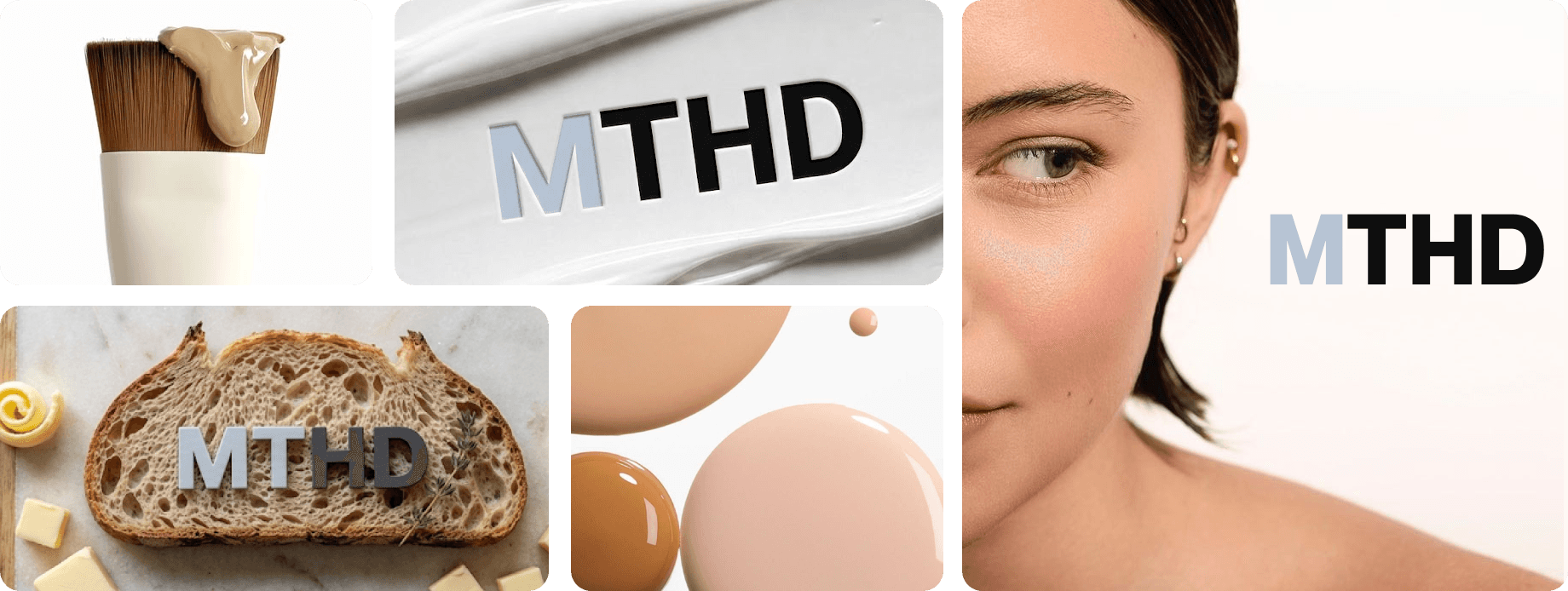


An AI-powered phygital beauty retail system that builds a persistent skin profile from in-store scan to mobile app, so the right shade is never forgotten again.

An AI-powered phygital beauty retail system that builds a persistent skin profile from in-store scan to mobile app, so the right shade is never forgotten again.

Contribution

Solo Project

Duration

2026 | 4 weeks

Industry

Beauty Retail · AI Experience Design

Where this started


This project began with a personal frustration and became a systemic finding.

The experience of going to a beauty store, finding something that works, and then going home and completely losing track of what it was, what shade it was, and why it was right happens to millions of Indian consumers every day. I started pulling on that thread and found something much larger underneath. This is not a personal quirk. It is a systemic failure in how beauty retail is designed, and it is costing Indian consumers both confidence and money every single day.

Three things make this domain uniquely interesting for design: the problem is invisible to the industry brands measure revenue, not regret. The solution requires bridging physical and digital neither alone is sufficient. And the cultural context of Indian skin tone diversity, climate variation, social conditioning around shade makes this more complex and more important than anywhere else in the world.

Understanding The Problem

You walk in not knowing what you want. A staff member helps you. You try three foundations. One feels right the shade matches, the finish suits your skin, the texture works. You spend twenty minutes getting there.

Then you leave without buying it. Maybe it is cheaper online. Maybe you want to think about it. You go home. You open Nykaa. You cannot remember the name. You search. You find something that looks similar. The reviews are good. You buy it. It arrives. It is wrong. The shade is off. The finish is different. You put it on a shelf with the other wrong products.


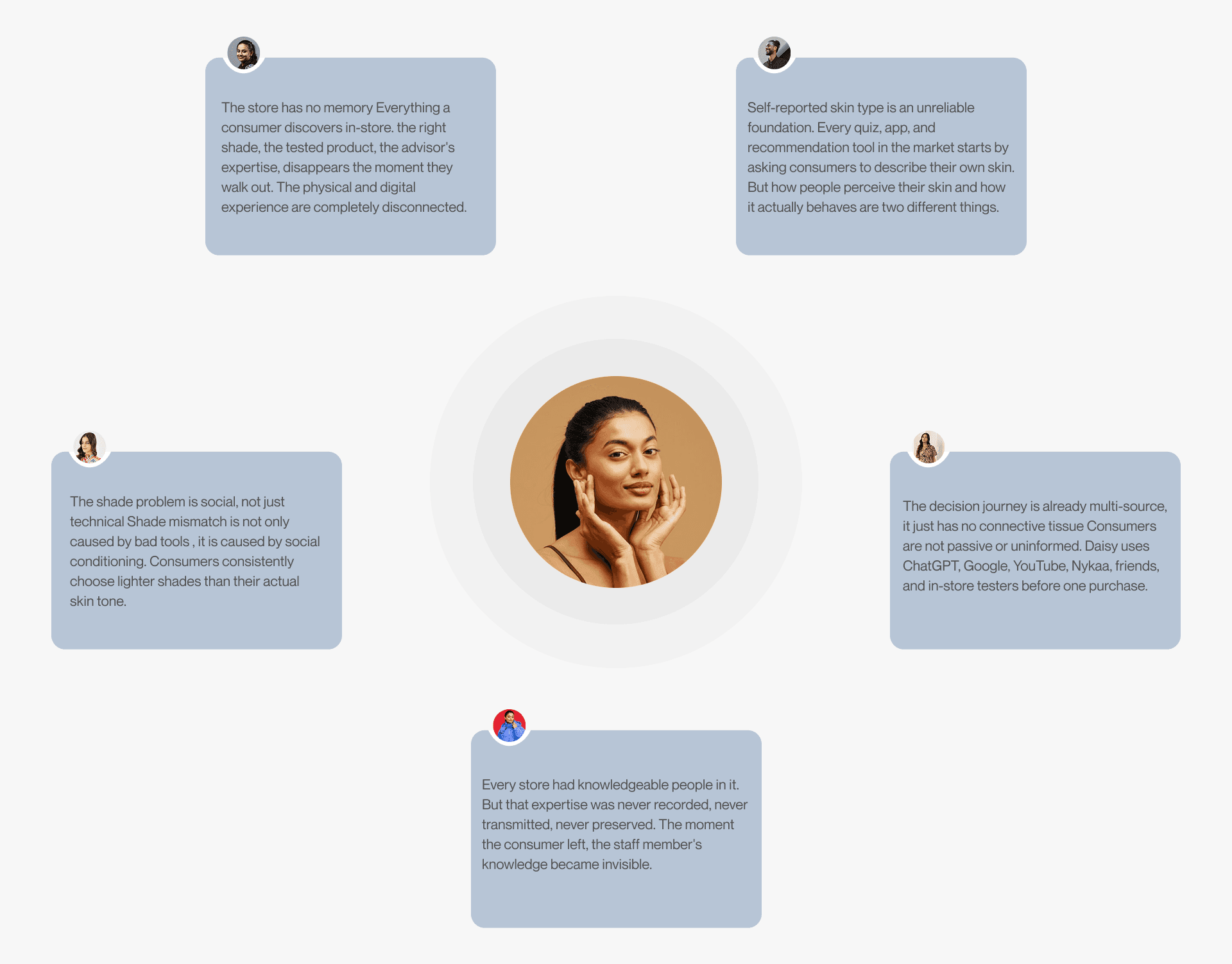
This is not an occasional accident. This is the default experience for millions of Indian beauty consumers. And until now, nobody had designed a solution for it because the problem is not recommendation. The problem is memory. The store has no memory. And neither does the consumer, after she walks out.

Research & discovery

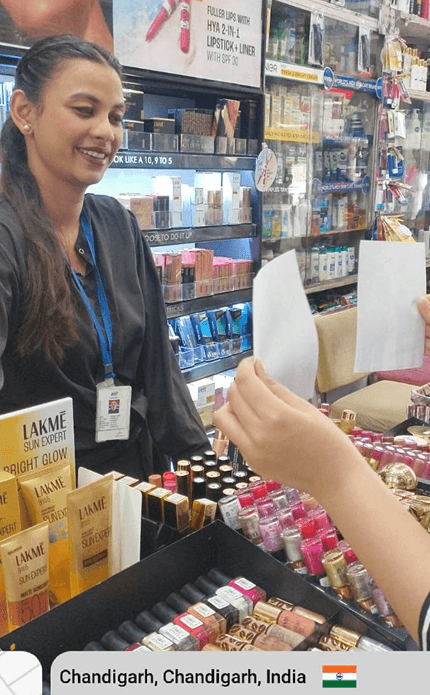
The research spanned 12 user interviews, 7 store observations (AEIOU structured), 1 influencer interview, 5 store staff interviews, and a visual photo quiz activity conducted in-store. Methods included one-to-one semi-structured interviews, pattern mapping, affinity clustering, and journey mapping.


I went in expecting to find a problem with product recommendation. I found that. But the more interesting finding the one that became the solution was about memory. About the store having no memory. About expertise disappearing. You cannot find what you are not looking at.

Research & Discovery
Insights
Design decisions

The MTHD identity is deliberately restrained, a muted rose-grey palette and clean typography (bold sans for the wordmark, neutral sans for all interface text). It feels closer to skincare packaging than a typical beauty retail app. This was intentional: an AI system making confident skin recommendations cannot afford to look excitable. The aesthetic has to match the claim. Precision demands restraint.

Kiosk Screens

Mobile Screens

MTHD store

Outcome & reflection

This project started with a feeling and ended with an AI system.

That journey from an observed frustration to a designed solution aught me more about design practice than any brief I have worked from before. The most important thing I learned about research is that you have to stay in the field long enough for the patterns to surprise you. I went in expecting to find a problem with AI product recommendation. I found that. But the more interesting finding the one that became the solution was about memory.

"I could have defined this problem as: Indian consumers find shade matching difficult. That is true but narrow and already partially solved. Defining it instead as: the store experience has no memory opened up a much larger design space and led to a solution that addresses a root cause rather than a symptom."


On problem framing


On the phygital AI opportunity: the word phygital is used a lot in design discourse and usually means very little. In this project, it meant something specific the moment when a consumer crosses the threshold between a physical experience and a digital one, and everything they discovered in the physical world disappears. Designing for that threshold, rather than for the physical experience or the digital experience separately, was the core challenge.

This project started with a feeling and ended with an AI system.

That journey from an observed frustration to a designed solution aught me more about design practice than any brief I have worked from before. The most important thing I learned about research is that you have to stay in the field long enough for the patterns to surprise you. I went in expecting to find a problem with AI product recommendation. I found that. But the more interesting finding the one that became the solution was about memory.

"I could have defined this problem as: Indian consumers find shade matching difficult. That is true but narrow and already partially solved. Defining it instead as: the store experience has no memory opened up a much larger design space and led to a solution that addresses a root cause rather than a symptom."


On problem framing


On the phygital AI opportunity: the word phygital is used a lot in design discourse and usually means very little. In this project, it meant something specific the moment when a consumer crosses the threshold between a physical experience and a digital one, and everything they discovered in the physical world disappears. Designing for that threshold, rather than for the physical experience or the digital experience separately, was the core challenge.

Create a free website with Framer, the website builder loved by startups, designers and agencies.